Importance of Artificial Intelligence in the Modern World
Importance of Artificial Intelligence is no longer a futuristic concept; it has become an essential part of our daily lives. From smartphones and social media to healthcare and education, AI is transforming the way humans live, work, and think. The importance of AI lies in its ability to perform tasks that normally require human intelligence, such as learning, problem-solving, decision-making, and language understanding. As technology advances, the role of AI continues to expand, making it one of the most influential innovations of the 21st century.
1 Importance of Artificial Intelligence in Daily Life
The importance of AI in daily life is clearly visible through common technologies like voice assistants, recommendation systems, and navigation apps. Applications such as Google Maps, Siri, Alexa, and Netflix recommendations rely on AI algorithms to provide personalized and accurate results. These systems analyze user behavior and preferences to improve convenience and efficiency, saving time and effort in everyday activities.
2 Importance of AI in Education
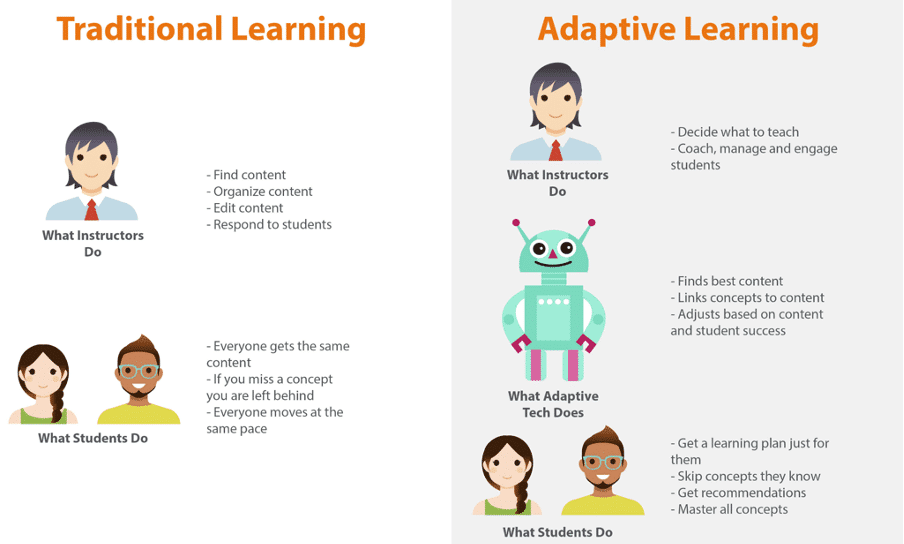
The importance of AI in education has grown significantly in recent years. AI-powered tools help personalize learning experiences according to students’ strengths and weaknesses. Smart tutoring systems, automated grading, and virtual classrooms enhance learning outcomes. AI also helps teachers by reducing administrative tasks, allowing them to focus more on teaching and student interaction.

3 Importance of AI in Healthcare
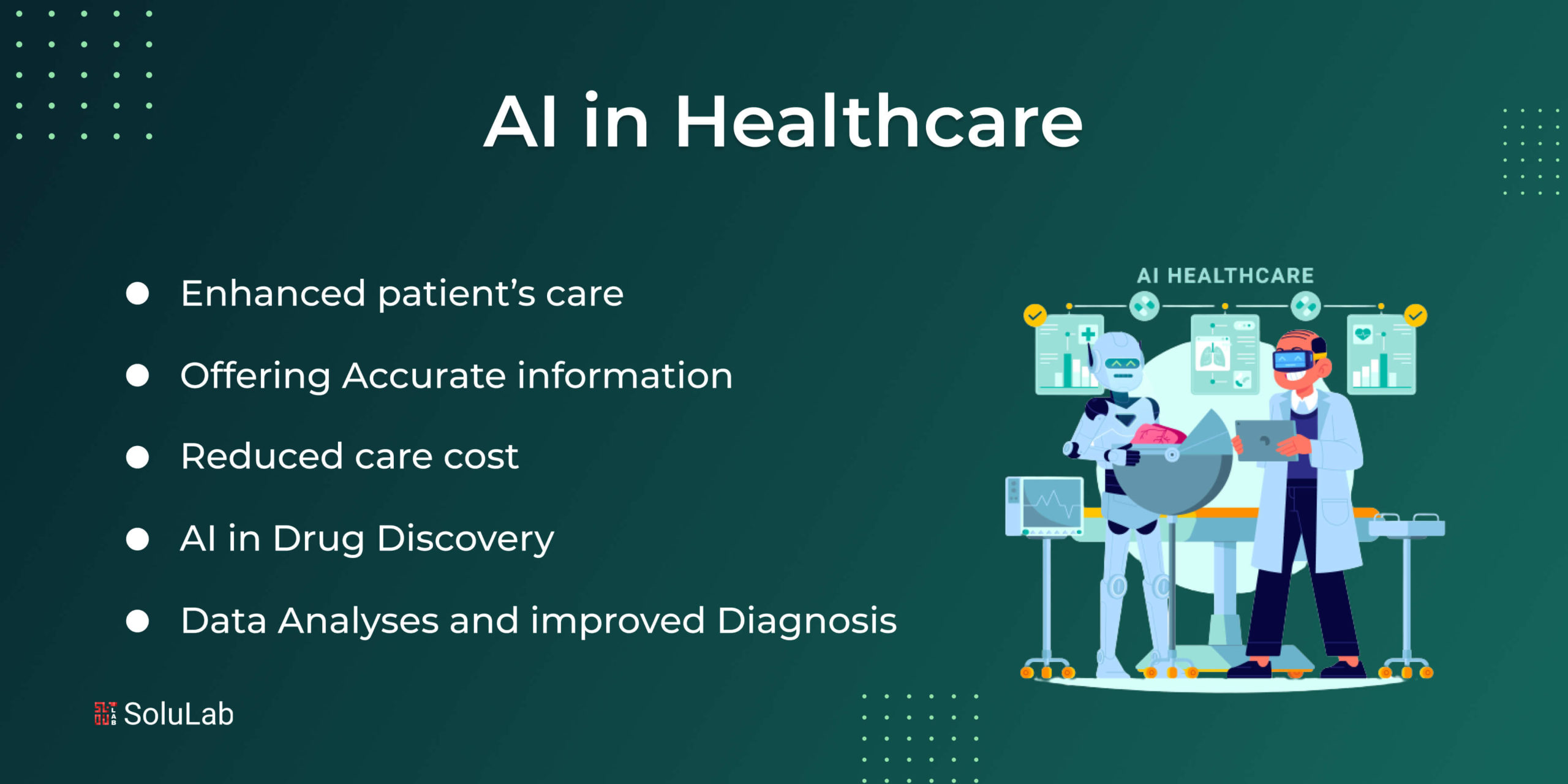
The importance of AI in healthcare cannot be overstated. AI assists doctors in diagnosing diseases, analyzing medical images, and predicting health risks. Technologies like AI-based diagnostic tools help detect cancer, heart disease, and neurological disorders at an early stage. AI also plays a vital role in drug discovery and personalized treatment plans, improving patient care and saving lives.
4 Importance of AI in Business and Industry
The importance of AI in business lies in its ability to automate processes, analyze large data sets, and enhance decision-making. Companies use AI for customer service chatbots, demand forecasting, fraud detection, and marketing strategies. AI increases productivity, reduces operational costs, and helps businesses remain competitive in the global market.
5 Importance of AI in Economic Growth
The importance of AI in economic growth is evident as it drives innovation and creates new job opportunities. AI-based industries contribute significantly to GDP growth by improving efficiency and generating advanced technologies. Although AI may replace some traditional jobs, it also creates new roles in data science, AI development, and technology management.
6 Importance of Artificial Intelligence in Scientific Research
The importance of AI in scientific research lies in its ability to process vast amounts of data quickly and accurately. AI helps scientists analyze complex data, identify patterns, and make predictions. Fields such as astronomy, climate science, and genetics benefit greatly from AI-powered research, accelerating discoveries and innovation.
7 Importance of Artificial Intelligence in Communication and Language
The importance of AI in communication is visible through translation tools, speech recognition, and content generation. AI-powered language models help break language barriers and improve global communication. Tools like real-time translators and voice-to-text applications enhance accessibility and inclusivity across different cultures and communities.

8 Importance of Artificial Intelligence in Transportation
The importance of AI in transportation includes traffic management, route optimization, and autonomous vehicles. AI systems analyze traffic patterns to reduce congestion and improve road safety. Self-driving cars, though still developing, have the potential to reduce accidents caused by human error and revolutionize the transportation industry.
9 Importance of Artificial Intelligence in Environmental Protection
The importance of AI in environmental protection is growing as it helps monitor climate change, predict natural disasters, and manage natural resources. AI models analyze environmental data to forecast weather patterns, detect deforestation, and optimize energy usage. This supports sustainable development and environmental conservation.
10 Importance of Artificial Intelligence in Cybersecurity
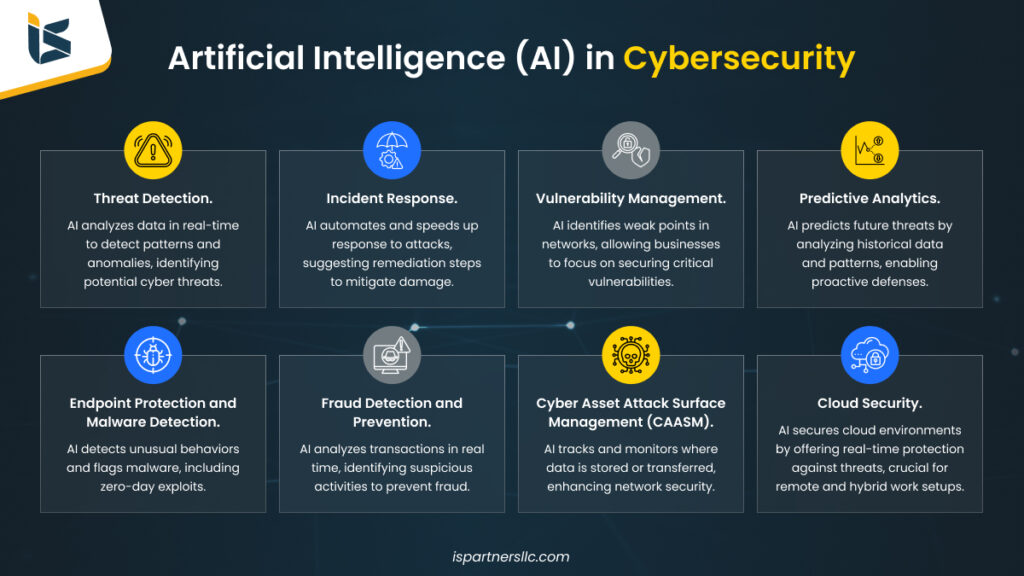
The importance of AI in cybersecurity lies in detecting and preventing cyber threats. AI systems can identify suspicious activities, malware, and data breaches faster than traditional methods. By analyzing patterns and anomalies, AI enhances digital security and protects sensitive information in an increasingly connected world.
11 Importance of Artificial Intelligence in Smart Cities
The importance of AI in smart cities includes efficient energy management, waste control, and public safety. AI-powered surveillance systems, traffic control, and resource management help improve urban living conditions. Smart cities use AI to create sustainable, safe, and efficient environments for citizens.
12 Importance of Artificial Intelligence in Creativity and Media
The importance of AI in creativity is evident in music, art, writing, and film production. AI tools assist creators by generating ideas, editing content, and enhancing visuals. While AI does not replace human creativity, it acts as a supportive tool that expands creative possibilities.

13 Importance of Artificial Intelligence in Personalized Experiences
The importance of AI in personalization is seen in online shopping, entertainment, and social media platforms. AI analyzes user preferences to deliver tailored content and recommendations. This improves user satisfaction and engagement, making digital experiences more relevant and enjoyable.
14 Importance of Artificial Intelligence in Decision-Making
The importance of AI in decision-making lies in its ability to analyze data objectively and efficiently. AI-powered analytics help organizations make informed decisions based on real-time insights. From financial forecasting to policy planning, AI supports smarter and faster decision-making processes.
15 Importance of Artificial Intelligence in the Future Workforce
The importance of AI in the future workforce is linked to skill development and adaptability. AI encourages individuals to learn new technological skills and embrace innovation. Human-AI collaboration will define future workplaces, where AI handles repetitive tasks and humans focus on creativity and critical thinking.
16 Importance of Artificial Intelligence in Ethical and Responsible Development
The importance of AI also includes ethical considerations such as fairness, transparency, and accountability. Responsible AI development ensures that technology benefits society without causing harm. Addressing bias, data privacy, and ethical use is essential to building trust in AI systems.
Conclusion: Overall Importance of AI
In conclusion, the Importance of Artificial Intelligence extends across every sector of society. It enhances efficiency, innovation, and quality of life while addressing complex global challenges. As AI continues to evolve, its responsible use will shape the future of humanity. Understanding and embracing of AI is crucial for individuals, organizations, and nations to thrive in an increasingly digital world.